The truth is, there is indeed a preconceived notion at play, but not in the way they think! According to the law governing visa refusals—INA 214(b)—consular officers are instructed to assume that anyone applying for a non-immigrant visa (whether for tourism, study, or business) is actually planning to immigrate. It’s the applicant’s responsibility to convince the officer otherwise. So, no matter how important an applicant’s reason for traveling may be, they still need to prove that they’re not intending to stay permanently. In short, the officer’s job is to be suspicious, and the applicant’s job is to change their mind.
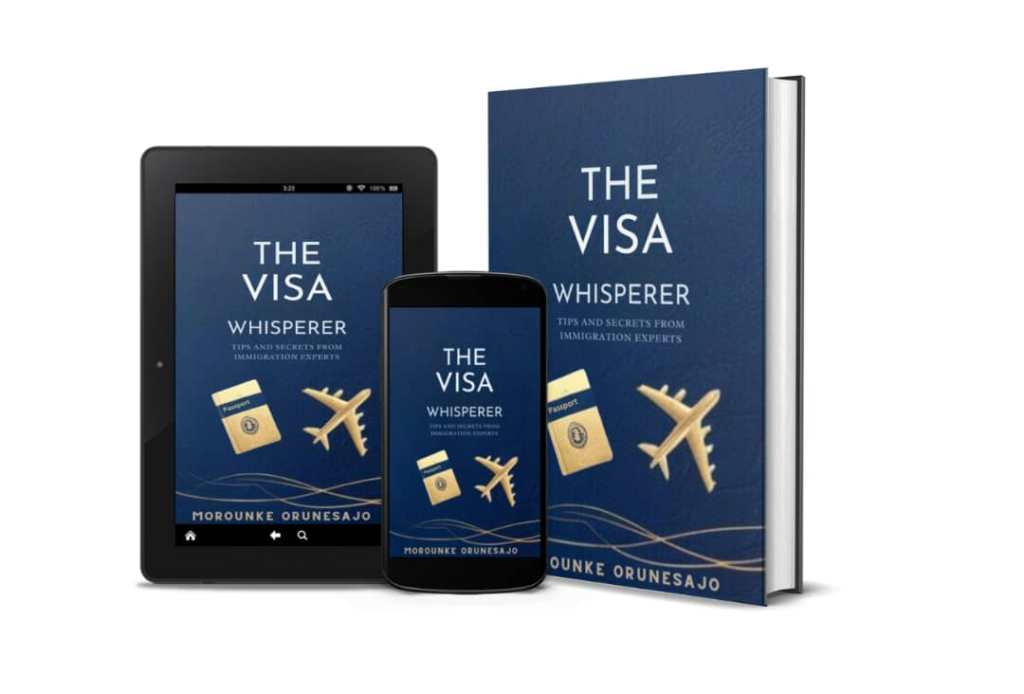
Meet the visa whisperer Morounke Orunesajo

I’ve seen applicants try to rely on factors like school admissions, medical treatments, or family ties in the U.S. to sway consular officers. Sure, these are strong reasons to travel, but they don’t automatically overcome the presumption of wanting to immigrate. I’ve watched people wave around scholarship offers from prestigious institutions like Yale or Harvard, assuming the name alone would earn them a visa, only to walk out empty-handed. I’ve also seen seriously ill applicants try to appeal to the officer’s sense of compassion, thinking a doctor’s letter would seal the deal. Sadly, no matter how dire your medical condition, you still have to meet the visa qualifications.
Navigating the U.S. Visa Process: What You Need to Know
- Research and Preparation: It’s crucial to understand the type of visa you are applying for. Whether it’s an immigrant or non-immigrant visa, each category has specific requirements and implications. Thoroughly researching these requirements can make a significant difference in your application process.
- Evidence of Ties to Home Country: One of the main factors consular officers consider is your intent to return to your home country. Evidence of strong ties, such as a job, family, or property, can help demonstrate that you do not plan to stay in the U.S. permanently.
- Purpose of Travel: Clearly articulate the purpose of your trip. Whether you are going for tourism, business, or education, be prepared to provide supporting documents and a compelling explanation for your travel plans.
- Interview Preparation: The visa interview is a critical part of the application process. Dress professionally, be honest, and be ready to answer questions about your travel plans and ties to your home country. Practice your responses to common questions to boost your confidence.
- Documentation: Ensure that all your documentation is complete and accurate. This includes your passport, application forms, photographs, and any additional supporting documents. Missing or incorrect information can lead to delays or denials.
Conclusion
In summary, understanding the U.S. visa process and the factors that influence visa approvals is key to a successful application. By being well-prepared, honest, and thorough in your application, you can increase your chances of obtaining a visa. Remember, the goal is to convince the consular officer that you meet the visa requirements and do not intend to immigrate permanently.
https://www.lulu.com/spotlight/thevisawhispererz
Sofyt Agency Limited
5A, Millennium Housing Estate, Gbagada Lagos
+234 803 304 0958
+234 703 729 1926
+234 809 604 5427
info@sofytagency.com
Facebook.com/sofytagencylimited
Twitter.com/sofytagency
Instagram.com/sofytagencylimited
http://www.sofytagency.com
http://www.sofytagency.com


Leave a comment